
 Back
Back


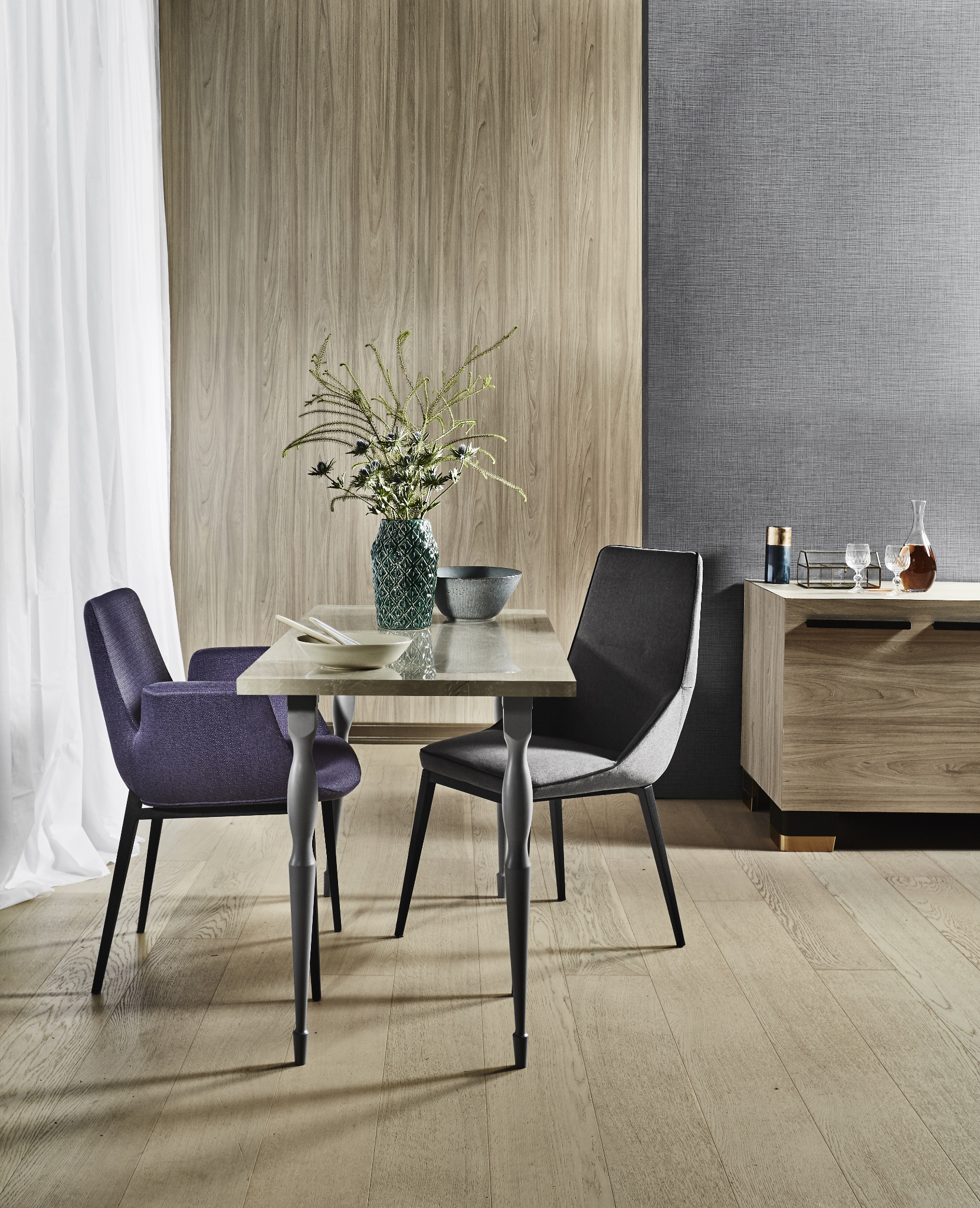
The number one focus for consumers and businesses when selecting furniture materials is the balance between durability, aesthetics, and affordability. Among the engineered wood options available today, particle board stands out as a versatile and cost-effective solution. From particle board wardrobes to office tables made from particle board, and from prelaminated particle boards for homes to durable options designed for healthcare and hospitality spaces, this material has found widespread application across industries.
This blog explores what a particle board is, how it is made, its benefits and limitations, and the role of prelaminated particle board in modern furniture making. We will also look at practical considerations for buyers, including maintenance, sector-specific applications, and how to choose the right product.
In simple terms, particle board, sometimes referred to as chipboard, is a type of engineered wood product made from wood chips, sawdust, and wood shavings that are bonded together with a synthetic resin and pressed under heat. The result is a smooth, dense panel that is uniform in texture and relatively lightweight.
Compared with solid wood, particle board offers an economical option for mass-produced furniture without compromising functionality. When surfaced with veneers or melamine coatings, particle board becomes both durable and aesthetically appealing, making it suitable for a wide range of residential and commercial applications.
The journey of particle board begins with the collection of raw materials, which often include by-products from other wood manufacturing processes. This ensures efficient use of timber resources and reduces waste, aligning particle board production with sustainable practices.
The ability to customise surface finishes is one of the reasons particle board has become a favourite among furniture makers.
When comparing prelam particle board to other engineered wood products such as MDF (medium-density fibreboard) and plywood, its benefits become clear.
For cost-conscious buyers who still want attractive finishes and reasonable durability, prelaminated particle board strikes an ideal balance.
Like all materials, particle board comes with both advantages and limitations.
Strengths:
Limitations:
With proper finishing and care, particle board furniture can last for many years while maintaining its appearance and functionality.
Maintaining particle board furniture is relatively straightforward, especially if it is surfaced with laminates.
Proper care ensures that furniture retains both its functionality and appearance for years.
Related : What is Melamine Faced Chipboard (MFC) and Why It’s Replacing Traditional Boards in Modern Interiors
One of the key strengths of prelaminated particle board is its versatility across industries. Its ability to balance cost, design, and performance makes it a practical choice for a wide range of applications.
By combining functional performance with attractive finishes, particle board continues to meet the needs of both individual consumers and large-scale projects.
With so many options available in the market, selecting the right prelaminated particle board requires careful consideration.
Particle board furniture has become a cornerstone of modern interiors thanks to its affordability, versatility, and ease of design. From prelaminated particle boards used in wardrobes and kitchens to laminated particle board solutions in offices, healthcare, and hospitality spaces, it offers a reliable option for diverse applications. With trusted suppliers like Greenlam MFC, buyers can expect not only high-quality materials but also innovative finishes that enhance the look and durability of interiors.
Whether you are designing a stylish home, setting up a modern office, or furnishing commercial spaces, particle board is an option that balances cost with performance – making it an enduring favourite in the world of engineered wood.
Greenlam MFC represents the next generation of engineered boards, combining strength, versatility, and design variety. Our prelaminated particle boards are made using advanced technology, high-quality raw materials, and eco-friendly production processes.
With over 100 décor options in the MFC Studio and Universal ranges, Greenlam MFC provides a wide variety of finishes for wardrobes, kitchens, offices, and commercial interiors. The boards are also available in specialised grades, including options suitable for humid environments, ensuring durability even in challenging applications.
To learn more about Greenlam’s laminated particle board solutions, reach out at 1800-833-0004, email info@greenlammfc.com, or visit our contact form.
MDF is denser and smoother, suitable for intricate designs, while particle board is lighter and more affordable, making it a preferred choice for modular furniture.
Prelam boards come with decorative surfaces, making them ready for direct use in wardrobes, tables, cabinets, etc.
Yes. A particle board wardrobe finished with high-quality laminates offers strength, style, and affordability.
Yes, when protected with high-pressure laminates, particle board becomes scratch-resistant, stain-resistant, and easier to maintain.
With proper care and maintenance, particle board furniture can last for 10–15 years.
Yes, but it is advisable to use prelaminate particle boards with moisture-resistant grades for kitchen cabinets and countertops.
Greenlam MFC offers superior density, eco-friendly production, and over 100 décor options, making it a reliable choice for residential and commercial furniture projects.