
 Back
Back


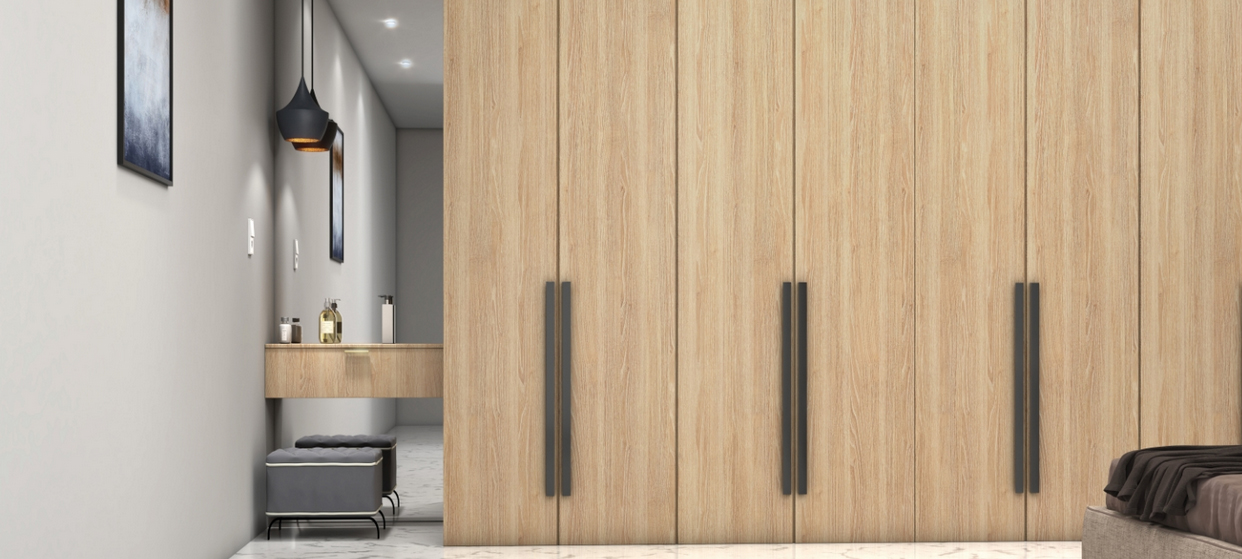
Interior design has entered a new age—one where beauty, sustainability, and structural integrity are no longer mutually exclusive. In this era of smarter spaces and sustainable construction, materials like Melamine Faced Chipboard (MFC) are transforming how designers, architects, and furniture makers think about interiors.
If you’ve been relying on plywood or MDF for your furniture and fixtures, it’s time to look at the next generation of engineered boards that not only simplify construction but also offer superior performance and design flexibility. This blog explores what MFC really is and why top melamine board manufacturers and interior specialists are pivoting towards it for modern applications.
Melamine Faced Chipboard, often abbreviated as MFC, is an engineered wood product made by coating a chipboard core with a decorative layer of melamine resin-impregnated paper. The result is a pre-finished, durable board with a smooth surface that doesn’t require any additional painting or finishing.
Unlike raw chipboard or MDF, MFC comes ready for use—with a variety of surface textures, colours, and woodgrain patterns that mimic high-end materials at a fraction of the cost.
Top melamine sheets manufacturers offer MFC in multiple grades to suit both dry and humid environments, ensuring versatility in residential, retail, and institutional settings.
When comparing MFC to traditional substrates, its advantages quickly become clear:
These features have made MFC a go-to product for melamine board suppliers serving the modular furniture and contract interior segments.
Whether you’re designing a sleek home interior or outfitting a commercial office, MFC boards offer flexibility across environments:
Modern melamine sheets suppliers now offer these boards in various sizes, thicknesses, and finishes to accommodate diverse design needs.
| Feature | MFC | Plywood | MDF |
| Surface Finish | Pre-laminated, no polish needed | Requires finishing | Needs painting or lamination |
| Moisture Resistance | High in Core+ & HMR grades | Moderate | Low to moderate |
| Screw Holding Capacity | High (esp. with tech enhancements) | Very high | Moderate |
| Aesthetic Flexibility | High (100+ designs) | Limited to surface laminate | Limited |
| Environmental Certifications | E1 & E2 emissions rated | Depends on make | Often higher emissions |
| Cost Efficiency | Highly economical | Higher | Moderate |
For architects, choosing melamine particle board suppliers who provide engineered solutions like MFC ensures you’re working with materials that blend practicality with polish.
The shift towards MFC is not just about cost or aesthetics. It’s about embracing a smarter way to build:
Here are some practical tips when selecting mfc sheets for your next project:
Greenlam MFC stands at the forefront of engineered surface innovation, offering cutting-edge melamine boards designed for performance, durability, and aesthetic excellence. As one of India’s leading melamine board manufacturers, Greenlam delivers superior MFC laminate sheets and boards across a wide spectrum of finishes and formats. To discuss your requirements and get answers to all your questions, call 18008330004 or email info@greenlammfc.com. You can also visit our contact form, and we will get back to you at the earliest.
Explore our Studio and Universal collections today to experience how Greenlam MFC is helping shape the next generation of smart, sustainable interiors.