
 Back
Back


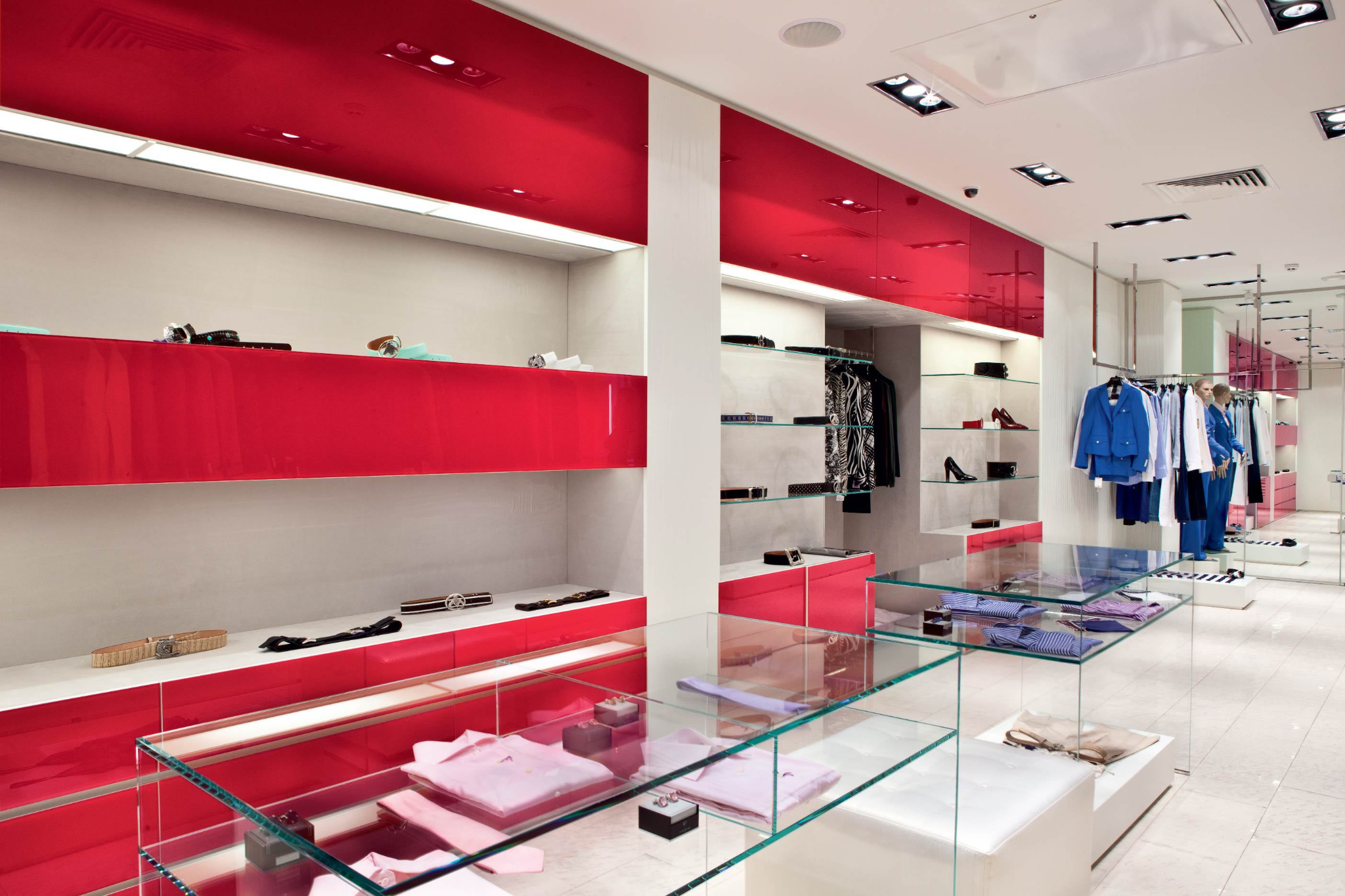
Designing and fitting out a retail showroom is often a race against time. Whether a brand is preparing to launch a seasonal collection, introduce a new product line, or open a flagship outlet in a competitive market, speed is a crucial factor. At the same time, retailers must ensure that their showrooms reflect brand identity, offer durability, and remain cost-effective. This is where Melamine Faced Chipboard (MFC) serves as a smart solution. Combining easy installation, durability, style, and affordability, it has become an essential material in modern retail design.
Definition and Composition
Melamine Faced Chipboard, often abbreviated as MFC, is a type of engineered wood product made by pressing together wood particles with resin and then covering the surface with a decorative melamine film. This outer layer gives the board its smooth finish, scratch resistance, and wide range of design options. The dense chipboard core ensures strength, while the melamine surface eliminates the need for additional finishing.
Because of its versatility and practicality, MFC is widely used in interiors across homes, offices, and especially retail spaces. In showrooms, it is commonly found in shelving, display units, modular counters, desks, wall panelling, decorative partitions, and storage cabinets and back-end fixtures. Retail designers prefer MFC for retail spaces because it offers both functionality and a premium aesthetic at a fraction of the time and cost associated with natural wood.
Range of Designs and Textures Available
One of the biggest advantages of working with MFC is the sheer variety of designs. From classic woodgrains such as oak, walnut, and teak to solid colours and patterns, MFC laminates cover every design need. This versatility allows retailers to align showroom interiors with their brand palette, creating an inviting space that enhances customer experience. For brands looking to update displays frequently, MFC’s adaptable design range makes it a practical choice.
In todays competitive retail market, timing can make or break a brands success. Faster showroom designing ensures quick market entry, seasonal adaptability, and stronger returns on investment.
Melamine Faced Chipboard simplifies the entire fit-out process with its pre-finished surfaces and modular formats. From sourcing to installation, MFC accelerates every step without compromising quality.
Retailers need solutions that deliver both value and speed. MFC minimises labour, shortens installation timelines, and offers long-term durability – making it a smart financial choice.
The adaptability of MFC for retail spaces makes it an all-rounder material. Some of its most common applications include:
In the fast-paced world of retail, speed and efficiency can make the difference between success and missed opportunity. Melamine Faced Chipboard offers retailers and designers the perfect balance of quick installation, aesthetic versatility, durability, and cost efficiency. Whether it is display units, counters, or modular partitions, MFC enables faster project completion and consistent quality.
Greenlam MFC, from the house of Greenlam Industries, introduces the next generation of pre-laminated chipboards designed for modern interiors and retail requirements. Manufactured with precision, these boards combine speed, style, and affordability while offering long-lasting performance. Available in a variety of thicknesses and sizes, Greenlam MFC is suitable for a wide range of furniture and fixture applications in both dry and humid environments. With over 100 captivating designs across the Universal and Studio collections – including woodgrains, patterns, and solid colours – designers and retailers enjoy exceptional versatility. Greenlam MFC comes with a dense chipboard core that ensures superior strength, stability, and reliability in every project. To discuss your requirements and get answers to questions on MFC for retail spaces, call 1800-833-0004 or email info@greenlammfc.com. You can also visit our contact form, and we will get back to you at the earliest.
Unlike natural wood or plywood, MFC laminate comes pre-finished, eliminating the need for polishing or painting. This reduces installation time and labour costs. It also offers a consistent finish and is available in many colours and textures, which makes it more versatile for retail showrooms.
Yes. Melamine Faced Chipboard is designed to be durable, with a dense particle board core and a melamine surface that provides good scratch resistance. It is suitable for display racks, shelving, counters, and other retail fixtures that undergo daily wear and tear.
MFC is available in a wide variety of finishes, from realistic woodgrains like oak, teak, and walnut to solid colours and patterns. Leading melamine board manufacturers, like Greenlam MFC, provide collections that are suitable for diverse retail themes, allowing brands to customise interiors to match their identity.
When selecting MFC laminates, consider factors such as colour palette, texture, thickness, and application (shelving, counters, partitions). Consulting with experienced melamine sheets suppliers, Greenlam MFC can help ensure you choose the right board for both style and functionality.
Yes. Modern melamine particle board suppliers offer engineered variants of MFC, with proper edge banding and sealing that perform well in both dry and humid conditions, perfect for high-traffic retail zones, ensuring long-lasting quality.
Trusted melamine board manufacturers, like Greenlam MFC, provide high-quality, pre-laminated chipboards in various sizes and finishes. Choosing a reputable brand ensures consistent quality, availability, and timely delivery for retail projects.
MFC reduces both material and labour costs because it requires no additional finishing and installs quickly. For retailers, this translates into faster store openings, reduced downtime, and better return on investment, making MFC for retail spaces a cost-effective choice.